

The Unyielding Spirit of Horse Racing
Horse racing has long been a beloved sport, captivating audiences with its speed, grace, and the deep connection between horse and rider. The thrill of watching these magnificent animals thunder down the track is an experience like no other. In recent years, however, horse racing has faced various challenges, from economic downturns to ethical concerns regarding animal welfare. Yet, the sport continues to persevere, drawing in new fans and maintaining its status as a staple of equestrian culture. From the historic tracks of the United Kingdom to the flashy racetracks of the United States, one can witness the extraordinary talents of both horses and jockeys. For example, in the Merseyside area, the horse racing not blocked by GamStop merseysidepolicemounted.uk plays a vital role in supporting the local community and maintaining the spirit of equestrianism.
A Brief History of Horse Racing
The origins of horse racing can be traced back thousands of years to ancient civilizations. From the chariot races in the Roman Empire to English thoroughbred racing in the 17th century, equine competitions have evolved into a sophisticated sport combining strategy, skill, and sheer athleticism. By the 18th century, horse racing had gained widespread popularity, leading to the establishment of formal race tracks and organized competitions. Famous events like the Derby, Preakness Stakes, and the Melbourne Cup attract large crowds and significant betting, showcasing the prominence of horse racing as a global pastime.
The Core of Horse Racing: Jockeys and Horses
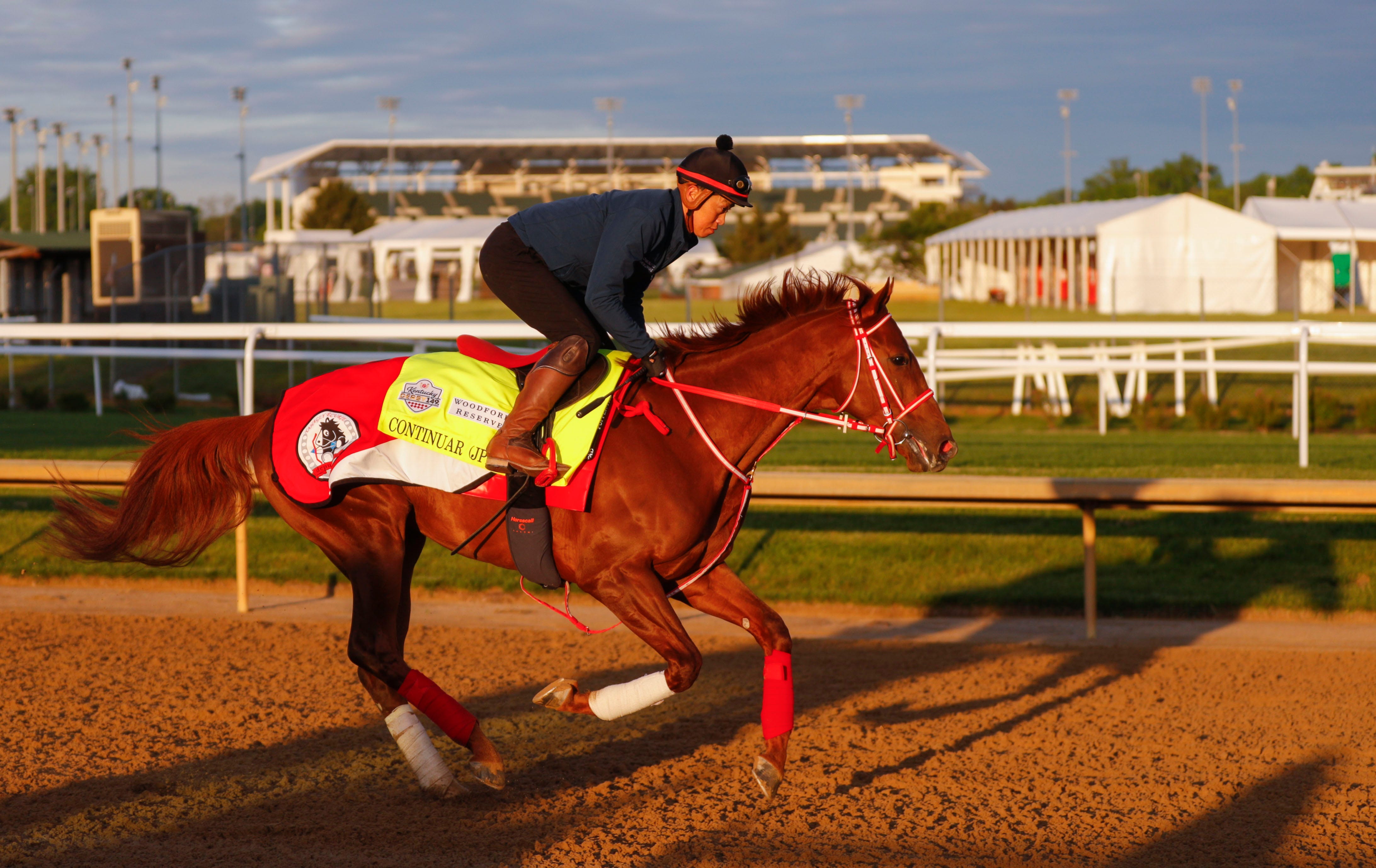
At the heart of horse racing lies the partnership between the horse and its jockey. Exceptional races are often celebrated for not just the horse’s speed, but the jockey’s skill in guiding and training these magnificent animals. Jockeys undergo rigorous training to master the art of riding, balancing the need for speed with the importance of control and strategy. The best riders have an intuitive understanding of their horse’s capabilities, enabling them to make split-second decisions that can make the difference between winning and losing.
The Role of Technology in Racing
Technological advancements have significantly impacted horse racing, enhancing both the spectator experience and the training regimen of horses. From photo finishes to sophisticated race tracking and betting systems, technology has made the sport more accessible and exciting. Moreover, data analytics helps trainers and jockeys devise strategies based on the performance patterns of horses over time, leading to improved training methods and outcomes.
Addressing Controversies in Horse Racing
Despite its charm and appeal, horse racing has not been without controversy. Issues regarding horse welfare, particularly around the use of performance-enhancing drugs and the treatment of racehorses, have spurred debates among fans and activists alike. Organizations and governing bodies in the sport have taken steps to address these concerns, implementing stricter regulations to ensure the safety and well-being of racehorses. Clear guidelines and increased scrutiny help reassure the public that the welfare of the horses remains a top priority within the racing community.
Horse Racing’s Resilience During Challenging Times
The COVID-19 pandemic has posed unprecedented challenges for the horse racing industry, stalling live events and impacting the livelihoods of many involved in the sport. Nevertheless, the industry has shown remarkable resilience, adapting to new circumstances by embracing technology. Virtual races, online betting, and the ability to watch races from home have allowed fans to stay connected with the sport they love. Racing organizations have worked hard to implement safety measures that allow racing to continue while prioritizing the health of participants and fans alike.
The Future of Horse Racing
The future of horse racing appears bright, driven by a dedicated fanbase and the continual evolution of the sport. As the industry addresses its challenges and embraces modern practices, it remains a significant aspect of sporting culture worldwide. The rise of fan engagement through social media and enhanced marketing strategies will invite new audiences to the thrilling world of horse racing. Furthermore, continued advocacy for ethical practices will foster a more sustainable environment for both horses and the industry.
Conclusion
In summation, horse racing stands as a testament to the enduring bond between horse and human, a sport that aligns tradition with innovation. Although it faces certain challenges, the spirit of the race continues to thrive, drawing passion and commitment from all corners of the globe. With its ability to adapt and evolve, horse racing will undoubtedly continue to be a beloved sport for generations to come, captivating audiences with every thunderous gallop and exhilarating finish.